


Vietnam Seafood
Vietnam targets USD 73-74 billion in agro-forestry-fishery exports in 2026
02
Feb
Feb
Vietnam aims to generate USD 73-74 billion in agro-forestry-fishery export revenue in 2026, building on solid growth in 2025 while navigating mounting pressures from climate change, stricter sustainability standards and rising demands for traceability and value-added production in global markets.
Reviewing sector performance in 2025, Deputy Minister Phung Duc Tien acknowledged that agricultural production faced significant challenges, including extreme weather events and persistent domestic and international uncertainties. Despite these headwinds, proactive and flexible management helped stabilise crop farming, livestock and aquaculture production, maintaining food security while sustaining export growth.
Total agro-forestry-fishery exports in 2025 are estimated at USD 70.09 billion, representing a year-on-year increase of 12 percent. Crop products accounted for USD 37.25 billion, up 13.7 percent, while livestock exports reached USD 627.8 million, rising 17.4 percent. Seafood exports totalled USD 11.32 billion, an increase of 12.7 percent, and forestry and wood products generated USD 18.5 billion, up 6.6 percent.
China, the United States and Japan remained Vietnam’s three largest export markets, with respective shares of 22.3 percent, 20.6 percent and 7.1 percent. Compared with 2024, exports to China increased by 15.9 percent, shipments to the United States rose 5.4 percent and exports to Japan grew 20.5 percent.
Several key commodities recorded strong performance. Coffee exports reached a record USD 8.57 billion, largely driven by higher global prices, while fruit and vegetable exports totalled USD 8.56 billion and cashew nut exports reached USD 5.19 billion. Seafood and wood and wood products continued to play a central role in overall export growth, contributing significantly to both value and market diversification.
Looking ahead to 2026, Deputy Minister Tien said the sector will face even greater challenges, particularly from climate change impacts, biodiversity loss and the need to comply with international commitments on emissions reduction and green growth. Against this backdrop, export targets for 2026 include approximately USD 40 billion for crop products, USD 12 billion for seafood and around USD 18.8 billion for forestry and wood products.
To achieve these targets, the ministry is prioritising integrated value-chain development, linking raw material zones with production standards, processing capacity, logistics infrastructure and market access. Key measures include standardising production areas in line with market requirements, expanding and strengthening the management of farming and aquaculture codes, and tightening controls on input quality, food safety and traceability to reduce the risk of shipment rejections.
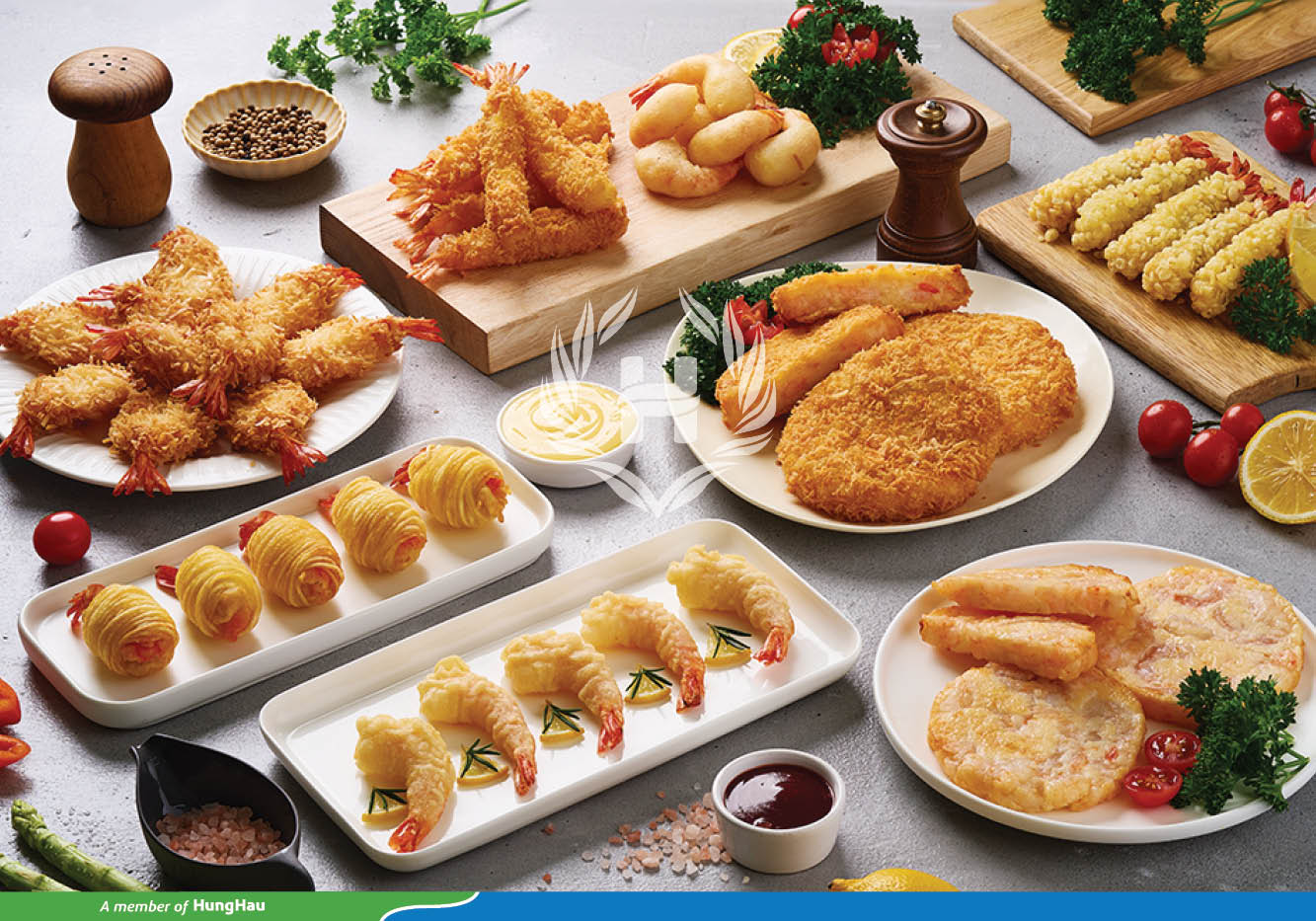
Further efforts will focus on deep processing and product diversification, with increased investment in preservation, processing and packaging technologies. The sector is also seeking to develop more refined and ready-to-consume products, while improving the utilisation of by-products to create additional value chains and reduce waste.
Reducing logistics costs has been identified as critical to improving export competitiveness and margins. Planned measures include expanding cold storage and cold-chain systems, developing regional logistics hubs, and streamlining transport and customs procedures. At the same time, Vietnam aims to strengthen market access, build national and product-specific brands, and shift away from raw commodity exports towards higher value-added products with clearer sustainability and branding narratives.
Green transformation is increasingly viewed as a “passport” for Vietnamese agro-forestry-fishery products to access premium market segments. Carbon measurement and reduction, sustainability certification, circular economy models and low-emission production systems are expected to play a decisive role in achieving sustainable export growth in 2026 and beyond.
Source: https://seafood.vasep.com.vn/

 Tiếng Việt