


Vietnam Seafood
Pangasius prices hit record high as supply tightens
03
Feb
Feb
Farm-gate prices in the Mekong Delta have surged to a record VND 35,000/kg, reflecting deep structural shifts in supply, demand and production dynamics across Vietnam’s flagship aquaculture sector.
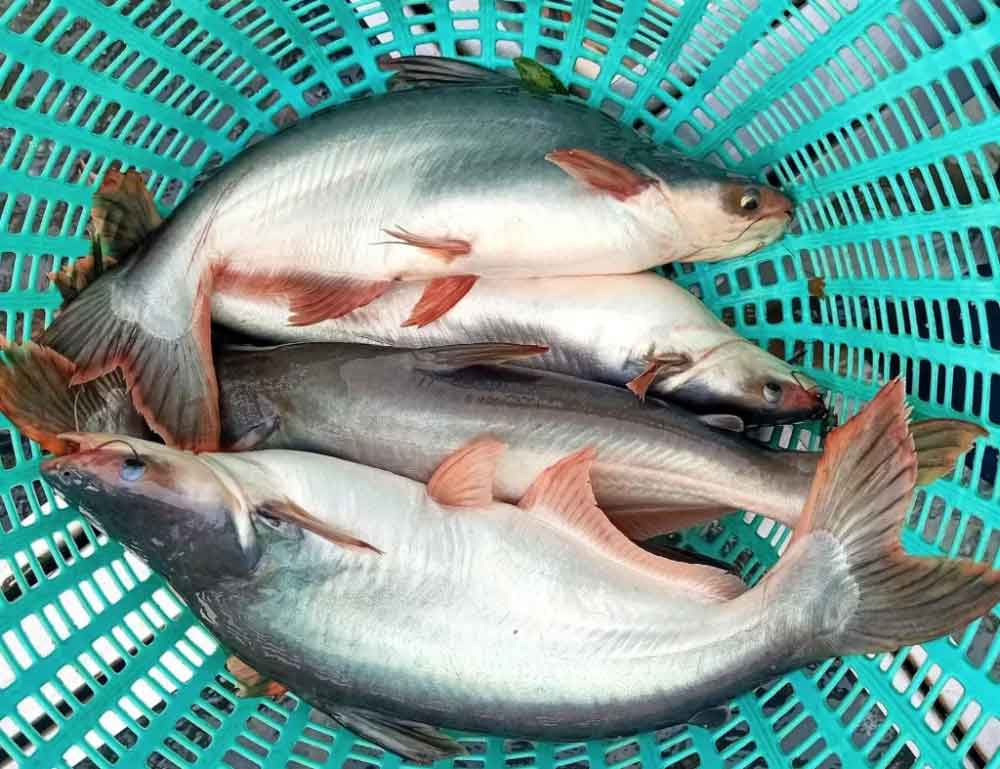
Pangasius prices in Vietnam’s Mekong Delta have climbed to an unprecedented VND 35,000 (USD 1.38)/kg at the farm gate, marking the highest level ever recorded and underscoring a sharp tightening in raw material supply.
In major farming provinces such as An Giang, Dong Thap and Can Tho, prices for 0.8–1.0 kg fish have jumped from VND 28,000-30,000/kg to current peak levels. Compared with previous upcycles, prices are now VND 5,000-7,000/kg higher, a level many long-time industry participants say they have never witnessed before.
With average production costs estimated at VND 24,000-26,000/kg, farmers harvesting at current prices are earning margins of VND 8,000-10,000/kg, an unusually strong return for pangasius farming, a sector historically characterized by thin and volatile margins.
The rally is being driven primarily by a shortage of raw material fish. After an extended period of low prices, combined with rising feed costs, higher fingerling prices and increased borrowing expenses, many farmers either cut back stocking, suspended operations or exited the sector altogether. As a result, pond area and harvest volumes fell sharply.
“When prices were around VND 25,000/kg, it was extremely difficult to find fingerlings,” said Thai Thanh Nhan, a pangasius farmer in Chau Phu district with more than a decade of experience and 2 hectares of ponds. Given the species’ long production cycle of six to eight months, supply cannot rebound quickly when market conditions improve. “This mismatch between supply and demand has pushed prices up very fast in a short period of time,” he said.
On the demand side, export markets are showing clearer signs of recovery. Vietnam’s pangasius export turnover in 2025 is estimated to exceed $2.1 billion, reaffirming the species’ position as one of the country’s core seafood exports. In 2026, demand from key markets including the US, China, Europe and the Middle East is expected to strengthen further.
Total pangasius farming area across the Mekong Delta is currently estimated at 6,000-6,500 hectares, well below previous peak levels. An Giang alone accounts for more than 1,200 hectares of commercial ponds. “Stocking area has not yet recovered, while processing and export demand is increasing, leading to a shortage of raw material fish and strong upward pressure on prices,” said Le Trung Dung, vice chairman of the An Giang Fisheries Association.

Processors feel the squeeze
While record-high prices are boosting incomes for farmers with fish ready to harvest, they are creating growing challenges for processors and exporters. Despite increased investment in vertically integrated farming, most companies still rely partly on external sourcing, forcing them to compete aggressively for limited raw material supply.
Not all farmers are benefiting equally. Many who suspended production during the downturn have no fish to sell, while others reduced stocking density and now have limited volumes. This divergence highlights increasing polarization within the farming community and the continued exposure of the sector to cyclical price volatility.
For processors, higher raw material costs are eroding margins. Some exporters that locked in contracts earlier at lower price levels are now being forced to procure fish at significantly higher costs, raising the risk of losses.
“Sharp increases in raw material prices raise serious concerns about the international competitiveness of Vietnamese pangasius,” said Doan Toi, CEO of Nam Viet Corp. “This is especially worrying at a time when alternative seafood products from other origins are maintaining more stable price levels.”
The current price surge comes as a welcome relief after several difficult years for the industry, but it also revives concerns over a familiar boom-and-bust cycle. Industry observers warn that if production expands rapidly in response to high prices, oversupply risks could quickly re-emerge.
Over the longer term, stakeholders say the priority should be better output management rather than rapid pond expansion, alongside improvements in quality and stronger linkages between farmers, processors and export markets. Only when production is aligned more closely with real demand, and risks and rewards are more evenly shared along the value chain, can high prices support sustainable growth rather than mark another short-lived peak in the cycle.
Source: https://seafood.vasep.com.vn/

 Tiếng Việt