


Blogs, Events, News
VIETNAMESE ROBUSTA COFFEE: EXPLORING ITS DISTINCTIVE CHARACTERISTICS, VARIETIES, AND GROWING REGIONS
19
Nov
Nov
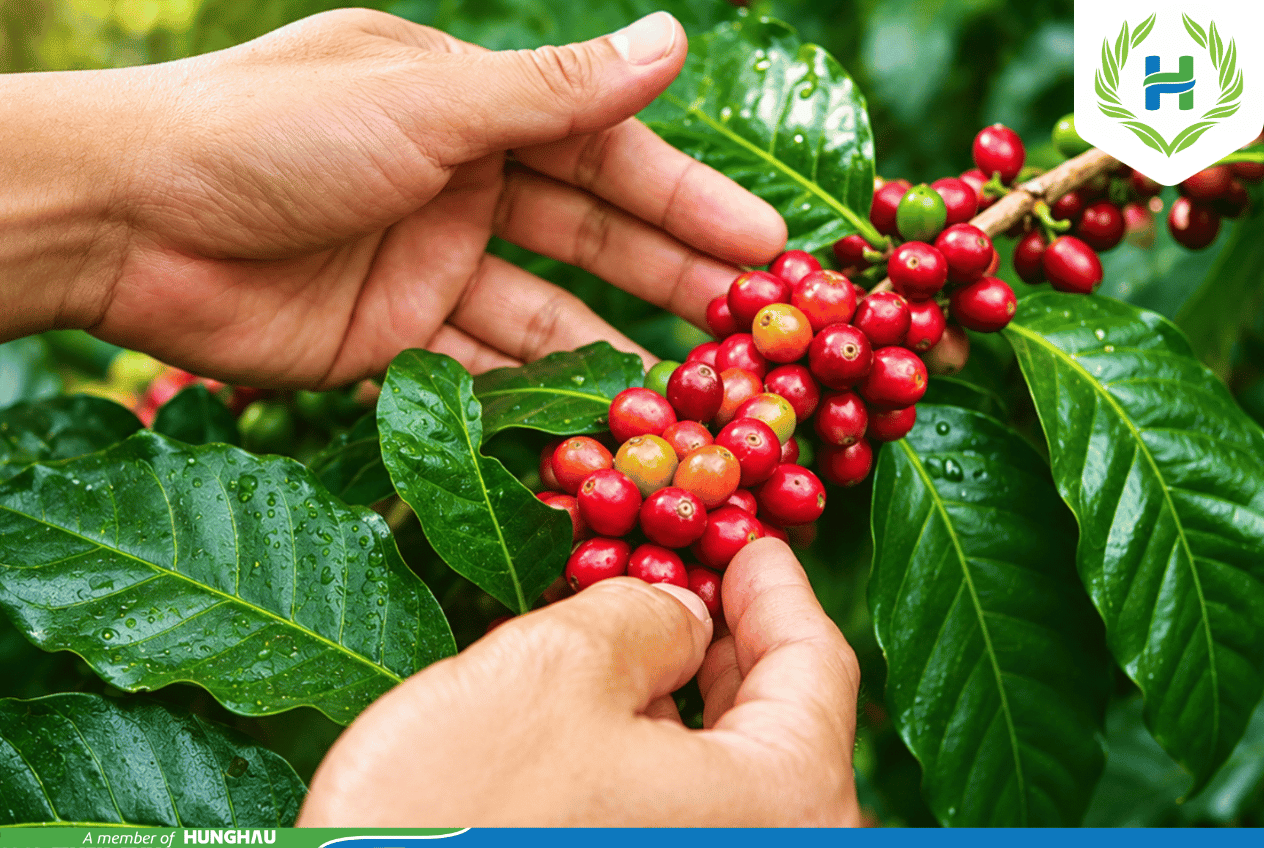
As one of Vietnam’s major coffee varieties, Robusta is known for its bold flavor, high caffeine content, and adaptability to various growing conditions. Beyond its diversity of cultivated varieties, Vietnamese Robusta also possesses distinctive characteristics in bean quality and flavor, contributing to its growing value and strengthening its position in the international coffee market.
What Is Robusta Coffee? Key Characteristics of Vietnamese Robusta
Origin of Robusta Coffee
Robusta coffee, scientifically known as Coffea canephora, originates from Central and West Africa. Thanks to its adaptability to hot and humid climates, Robusta has gradually been cultivated in many tropical countries, including Vietnam.
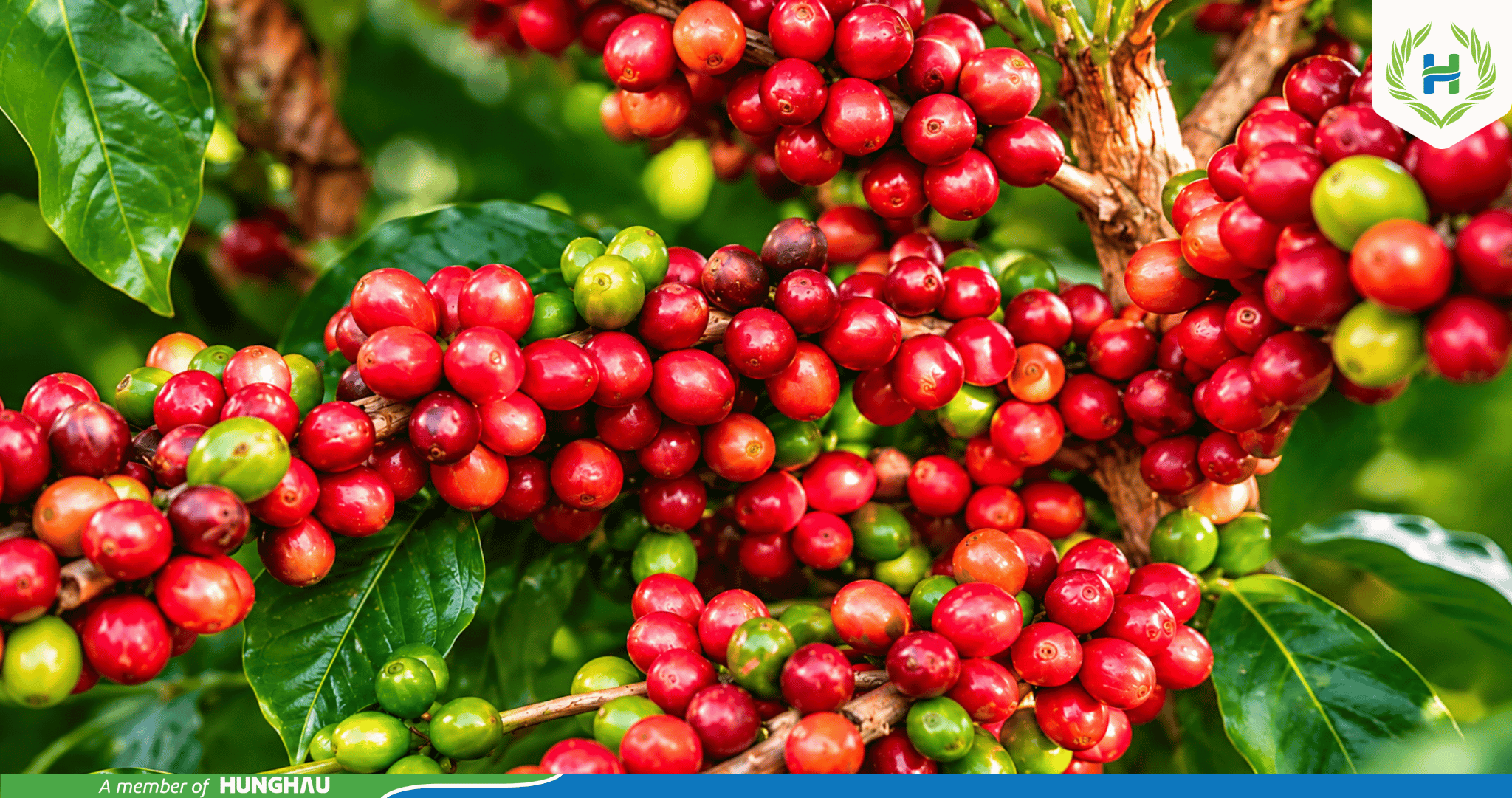
Bean Shape and Caffeine Content
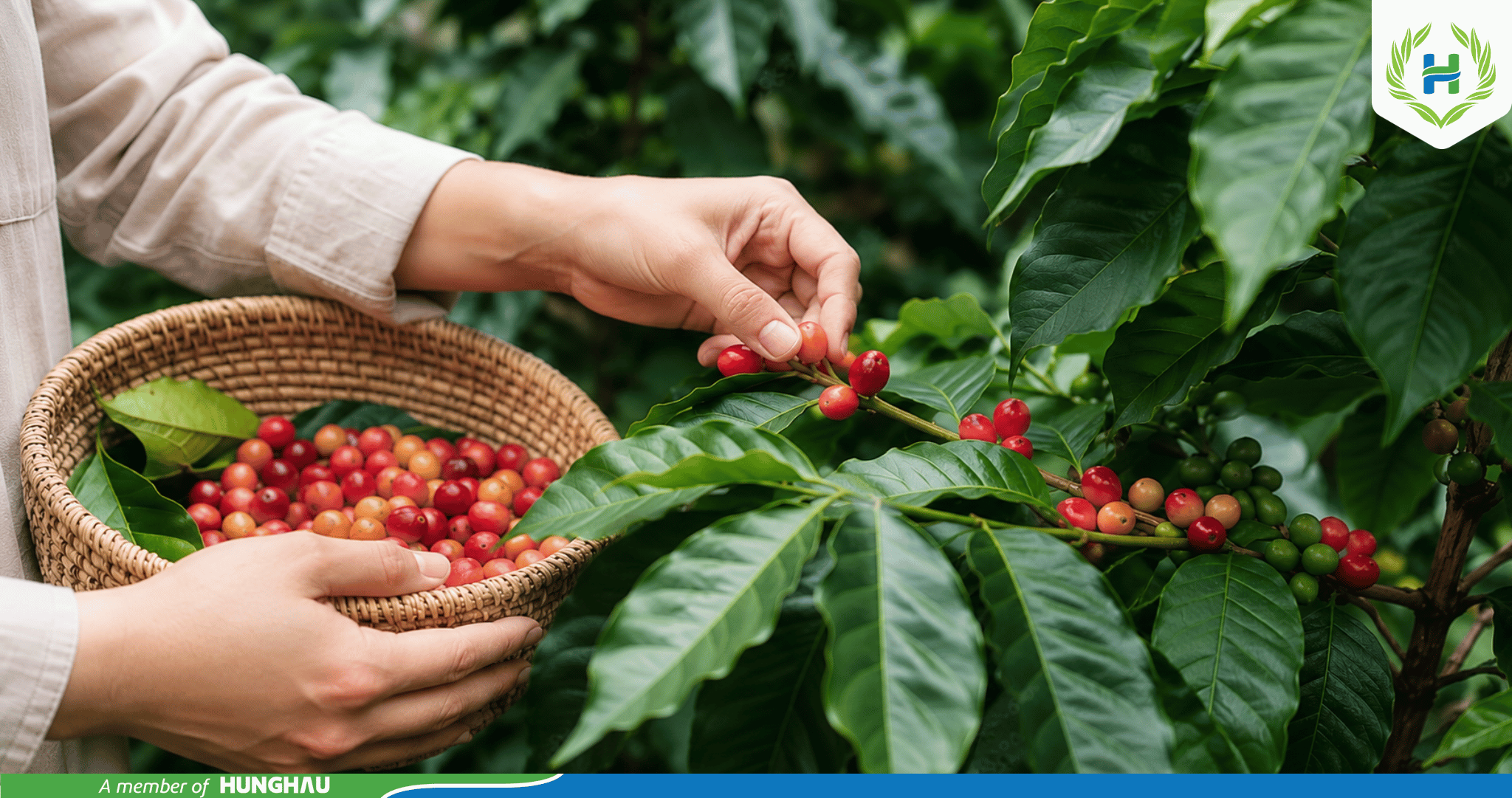
Robusta coffee beans are typically round or short oval in shape, with a relatively straight central crease. Compared to Arabica, Robusta generally contains a higher caffeine concentration, commonly ranging from 2% to 4% of dry weight, depending on the variety and cultivation conditions.
These characteristics contribute to its pronounced bitterness, full body, and strong flavor profile.
Distinctive Flavor Profile of Robusta Coffee
Robusta coffee typically features a bold flavor, low acidity, and a lingering aftertaste. Depending on the growing region, processing method, and roasting level, its flavor profile may include notes of cocoa, dark chocolate, roasted nuts, or wood.
In particular, properly processed and roasted Robusta can develop a balanced flavor profile, reduce harsh bitterness, and highlight its natural sweetness.
What Robusta Coffee Varieties Are Grown in Vietnam?
Common Robusta Coffee Varieties in Vietnam
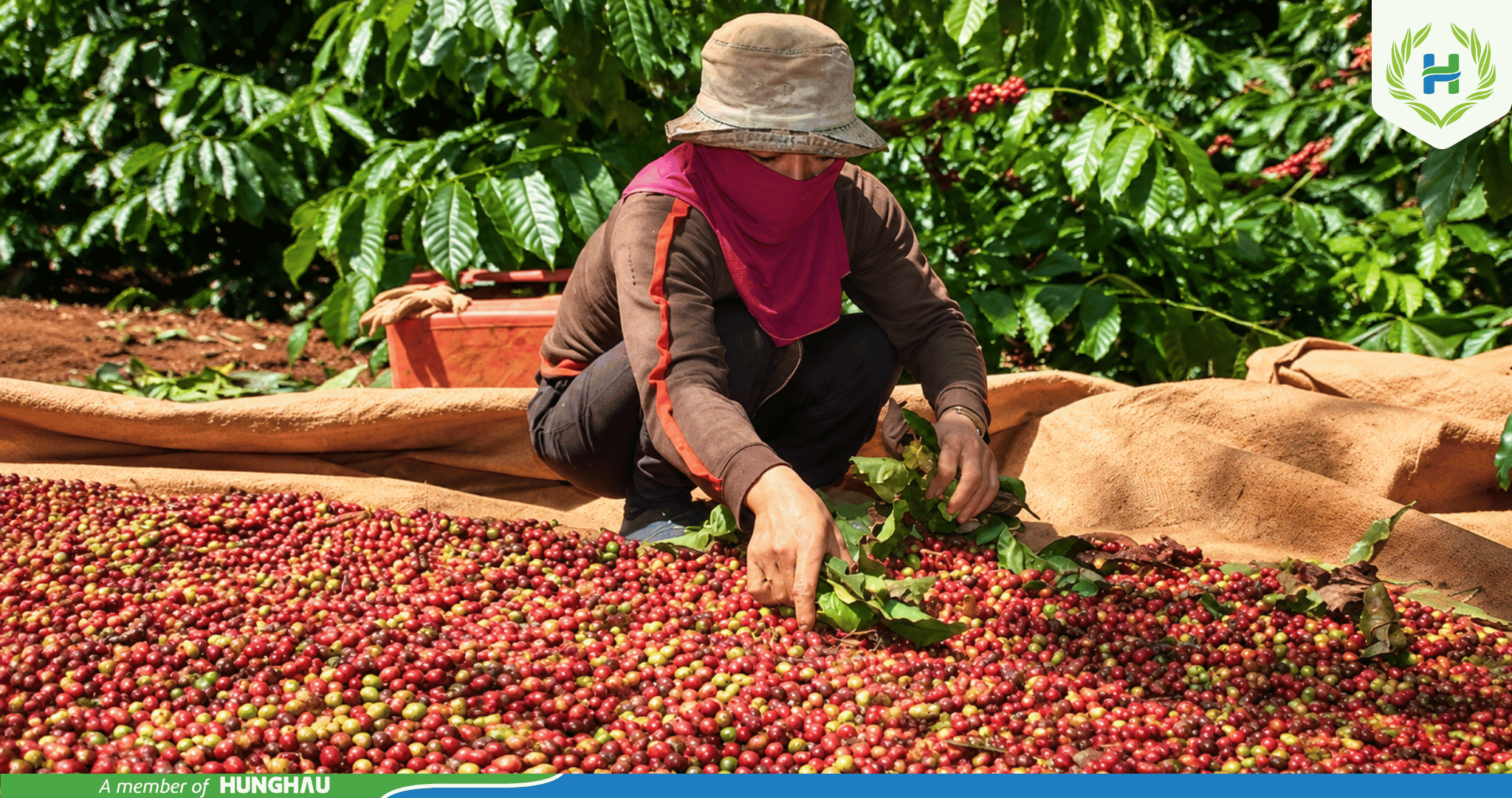
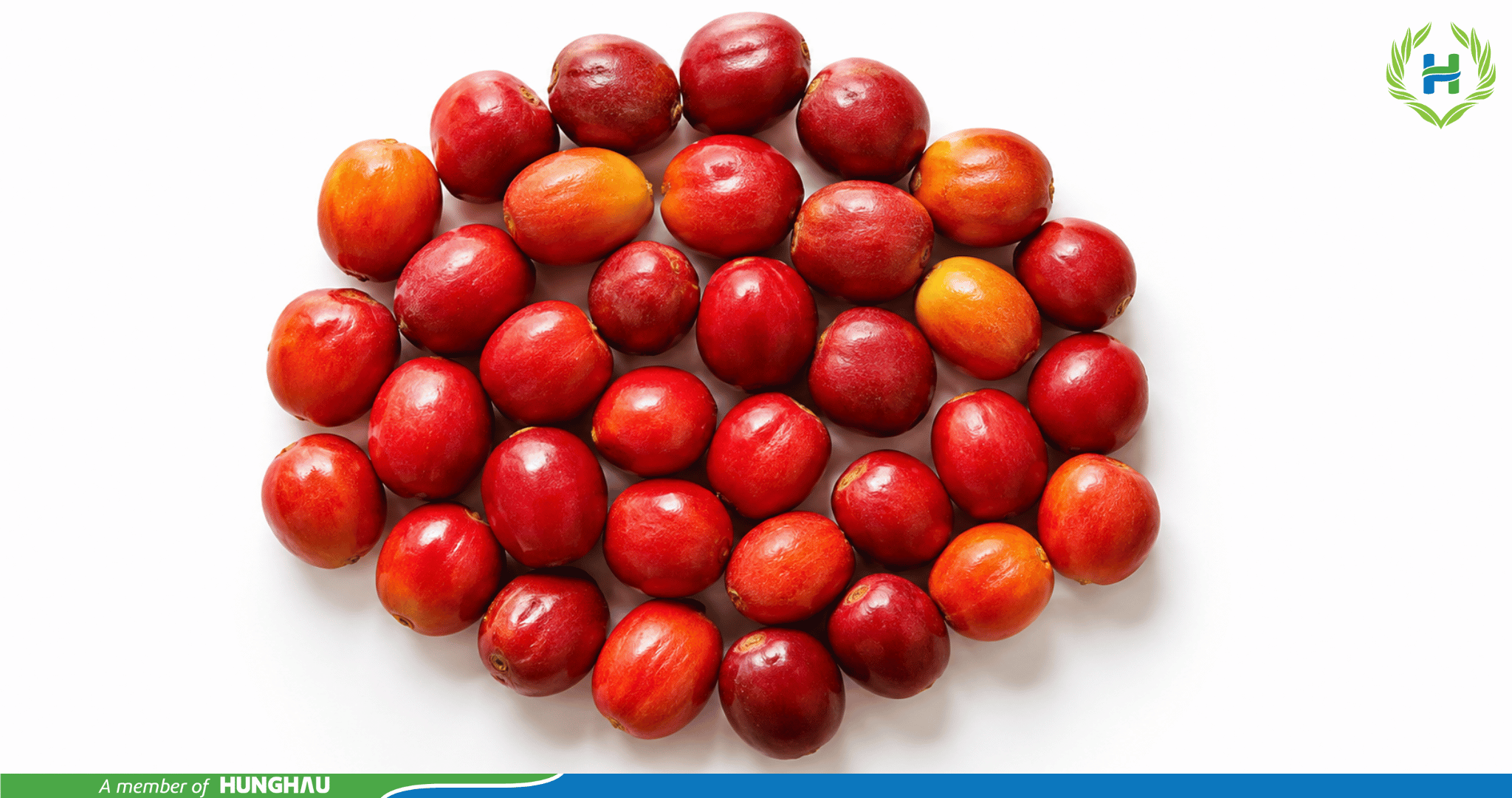
Sorting and selecting coffee cherries after harvestingVietnamese Robusta coffee has been developed into various varieties to improve productivity, bean quality, and adaptability to cultivation conditions. According to the Western Highlands Agriculture and Forestry Science Institute (WASI), 12 Robusta varieties were officially recognized or approved for trial production between 2006 and 2016, including nine clonal varieties, one polyclonal hybrid seed variety, and two late-ripening varieties.
Characteristics of 12 Robusta Coffee Varieties in Vietnam
| No. | Variety | Group | Key Characteristics |
| 1 | TR4 | Clonal | Vigorous growth, extensive branching, and high yields exceeding 7 tons of green coffee beans/ha; good resistance to coffee leaf rust; medium ripening. |
| 2 | TR5 | Clonal | High productivity and good resistance to coffee leaf rust; medium ripening, mainly concentrated in November–December. |
| 3 | TR6 | Clonal | Yield of approximately 4.7 tons of green coffee beans/ha; very high resistance to coffee leaf rust; later ripening period, from January to February. |
| 4 | TR7 | Clonal | Vigorous growth, high productivity, and resistance to coffee leaf rust; medium ripening period. |
| 5 | TR8 | Clonal | High productivity, good bean quality, and resistance to coffee leaf rust; medium ripening. |
| 6 | TR9 | Clonal | Large beans, with 100 beans weighing approximately 24.1 g; around 98% of beans retained on Screen 16; very high resistance to coffee leaf rust. |
| 7 | TR11 | Clonal | Yield of approximately 4.5 tons of green coffee beans/ha; very high resistance to coffee leaf rust; medium to slightly late ripening. |
| 8 | TR12 | Clonal | Large beans, with 100 beans weighing approximately 25.1 g; around 98.8% of beans retained on Screen 16; very high resistance to coffee leaf rust. |
| 9 | TRS1 | Clonal | Vigorous growth and extensive branching; yield of approximately 5.2 tons of green coffee beans/ha; concentrated ripening in November–December. |
| 10 | TRS1 | Polyclonal hybrid seed | High productivity, with approximately 85.3% of beans retained on Screen 16; good resistance to coffee leaf rust; suitable for seed propagation. |
| 11 | TR14 | Late ripening | Yield of approximately 4.8 tons of green coffee beans/ha; good resistance to coffee leaf rust; helps extend the harvesting season and reduce irrigation pressure. |
| 12 | TR15 | Late ripening | Large beans, with 100 beans weighing approximately 22.9 g; around 97% of beans retained on Screen 16; late ripening and good resistance to coffee leaf rust. |
Differences Between Robusta Standard, Clean, and Wet-Polished
What Are Robusta Standard, Clean, and Wet-Polished?
In green coffee bean processing and export activities, Standard, Clean, and Wet-Polished are commercial classifications used to distinguish products based on their cleaning levels, surface treatment, and quality requirements.
Robusta Standard typically undergoes basic grading and cleaning. Robusta Clean goes through more thorough cleaning processes to reduce foreign matter and defective beans.
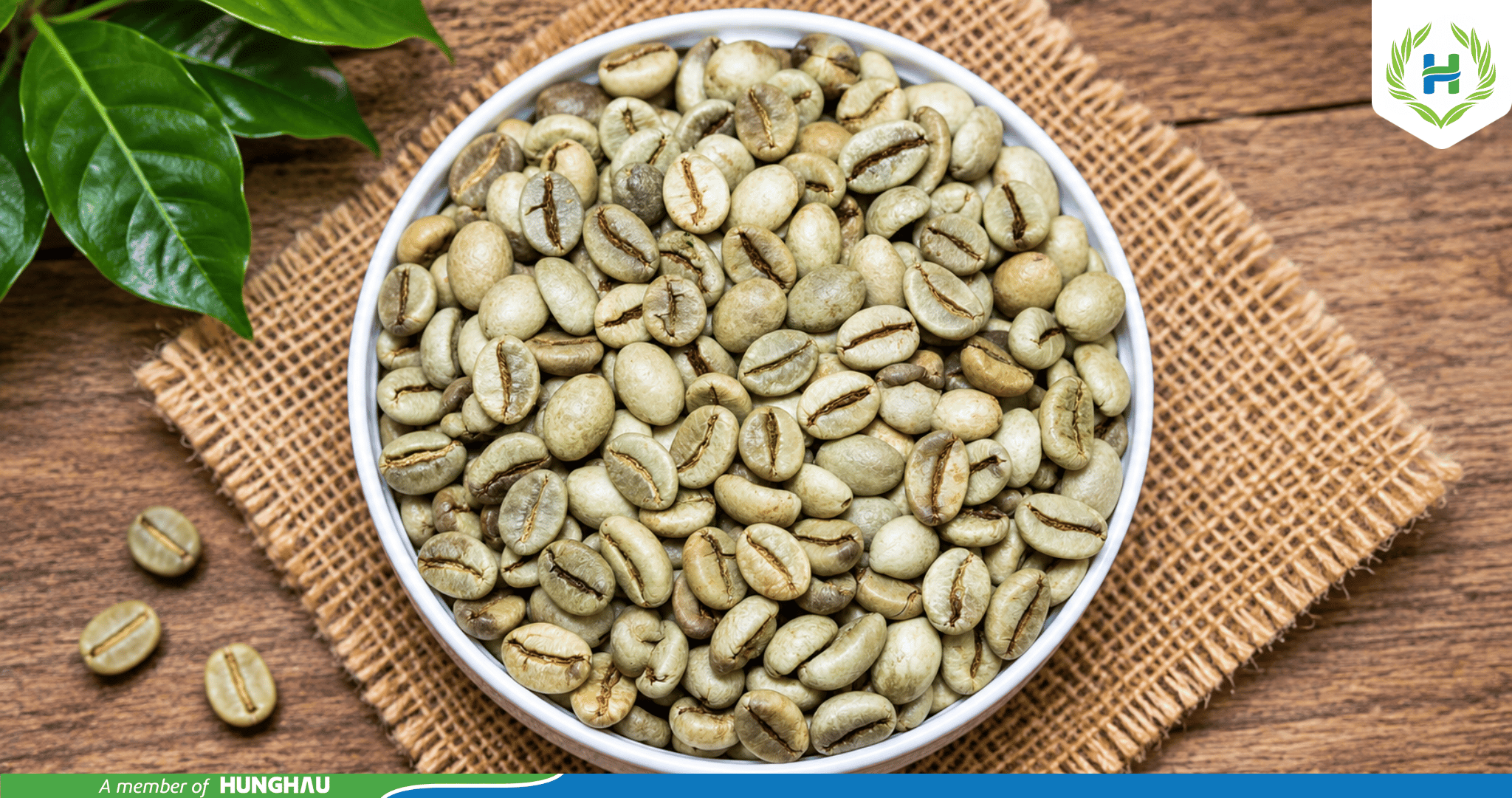
Robusta Wet-Polished green coffee beans with uniform colorationMeanwhile, Robusta Wet-Polished undergoes water polishing to remove dust and part of the remaining silver skin attached to the bean surface.
Technical Specifications Comparison
| Criteria | Standard | Clean | Wet-Polished |
| Moisture | ≤ 12,5% | ≤ 12,5% | ≤ 12,5% |
| Black beans | Combined with broken beans ≤ 2% | ≤ 0,1% | ≤ 0,1% |
| Broken beans | Combined with black beans ≤ 2% | ≤ 0,3% | ≤ 0,3% |
| Black & Broken (B&B) | ≤ 2% total | ≤ 0,4% total | ≤ 0,4% total |
| Foreign matter | ≤ 0,5% | ≤ 0,1% | ≤ 0,1% |
| Bean size | S18 | S18 | S18 |
| Screen 18 retention | ≥ 90% | ≥ 90% | ≥ 90% |
| Cleaning level | Basic cleaning | Thorough cleaning | Cleaning and wet polishing |
| Bean surface | May contain dust and remaining silver skin | Cleaner, with less dust | Polished surface with minimal dust |
| Visual uniformity | Depends on grading | Generally higher | Generally more uniform, with a cleaner surface |
How Do Robusta Coffee Growing Regions Differ Across Vietnam?
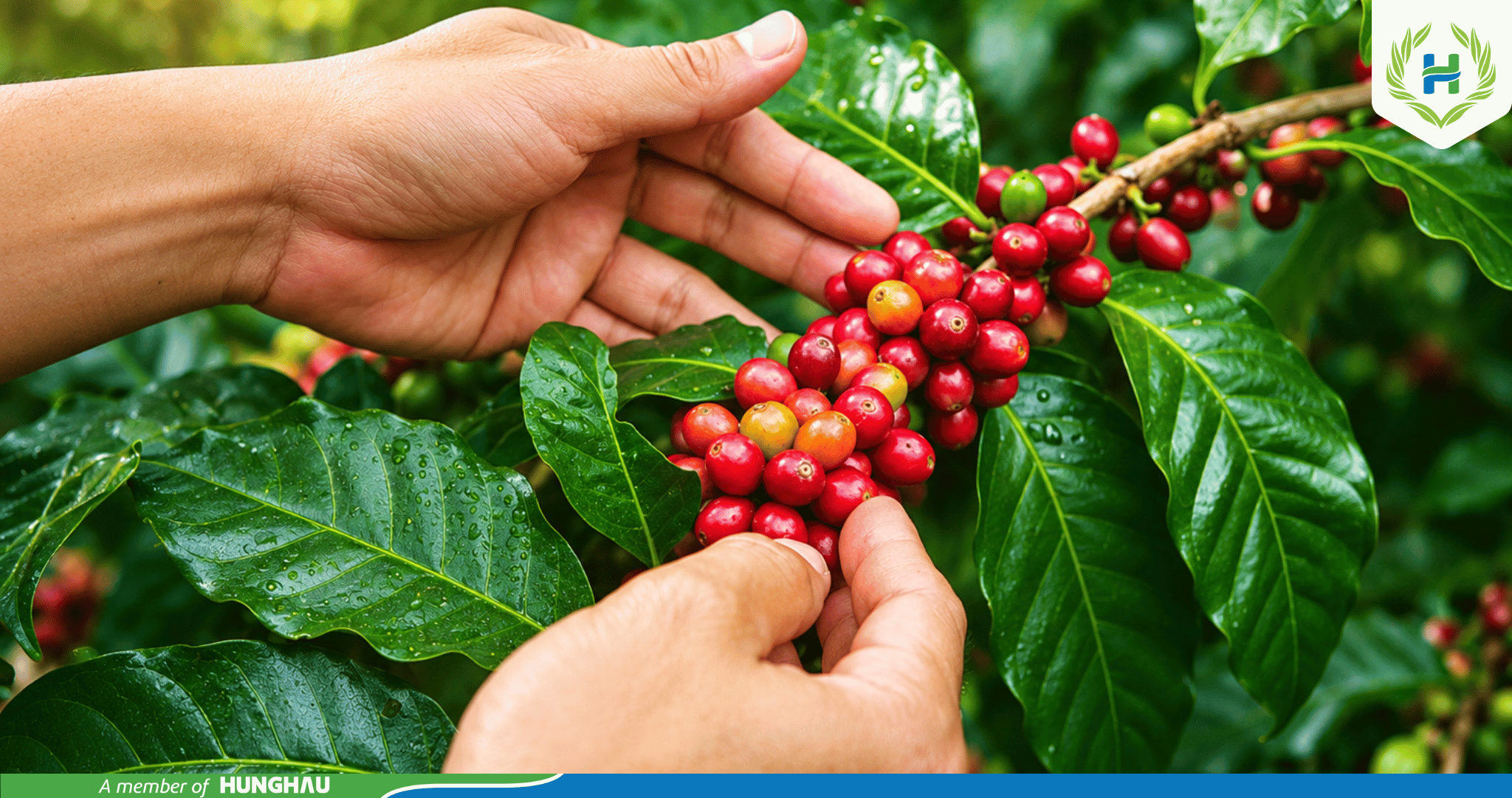
Dak Lak – A Key Robusta Coffee Growing Region
Dak Lak is one of Vietnam’s major Robusta coffee-producing regions. Coffee cultivation is mainly concentrated in Buon Ma Thuot, Cu M’gar, Ea H’leo, and Krong Nang. The region’s basalt soil, tropical climate, and relatively distinct dry season provide favorable conditions for coffee cultivation.
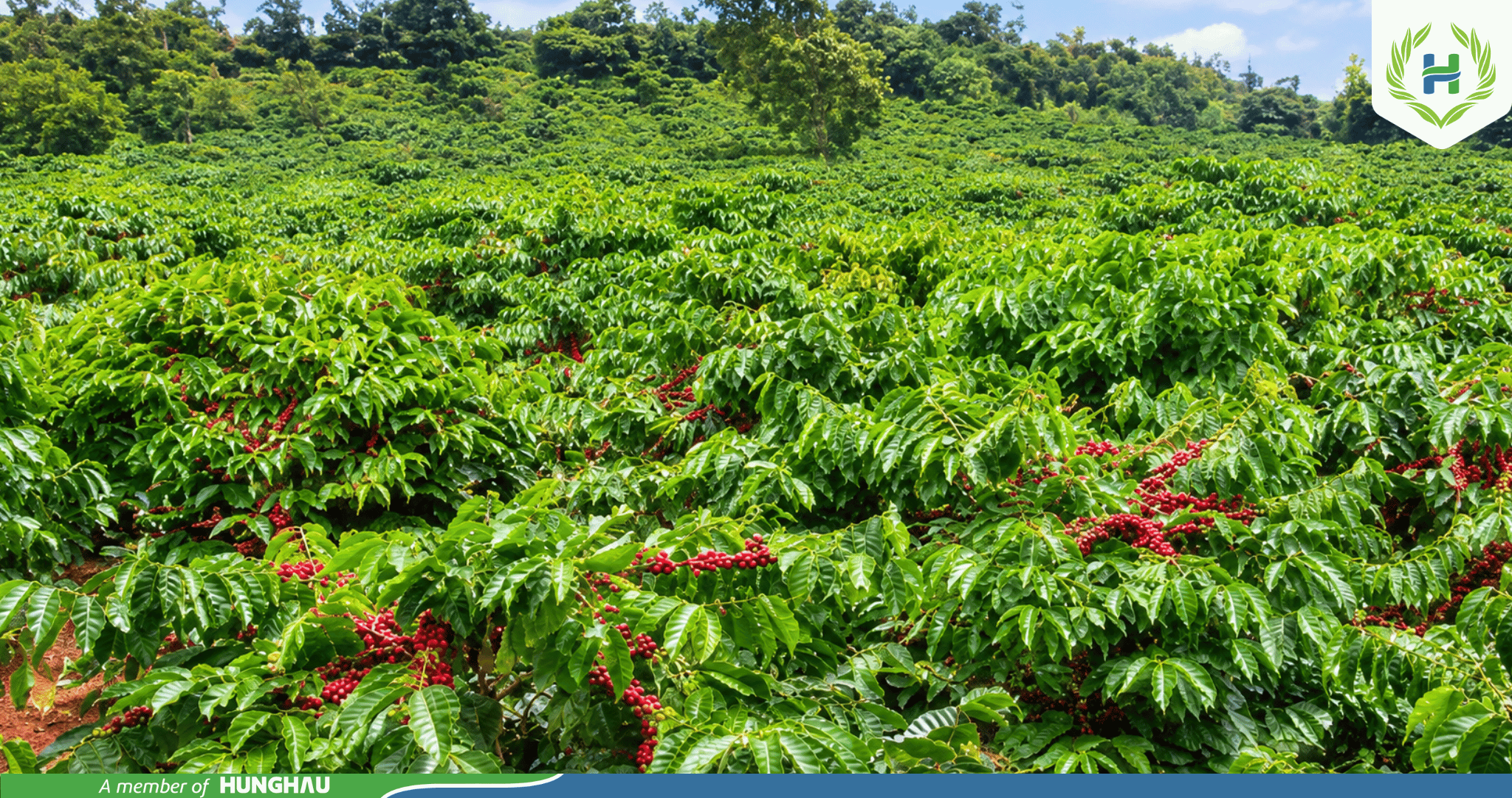
Robusta coffee from Dak Lak typically features a bold flavor, low acidity, notes reminiscent of cocoa and dark chocolate, and a lingering aftertaste when properly roasted.
Gia Lai, Robusta with Distinctive Roasted Nut Notes
Gia Lai is home to traditional coffee-growing areas in Dak Doa, Ia Grai, Chu Prong, and Chu Se. Its basalt soil and highland climate provide favorable conditions for Robusta coffee cultivation.
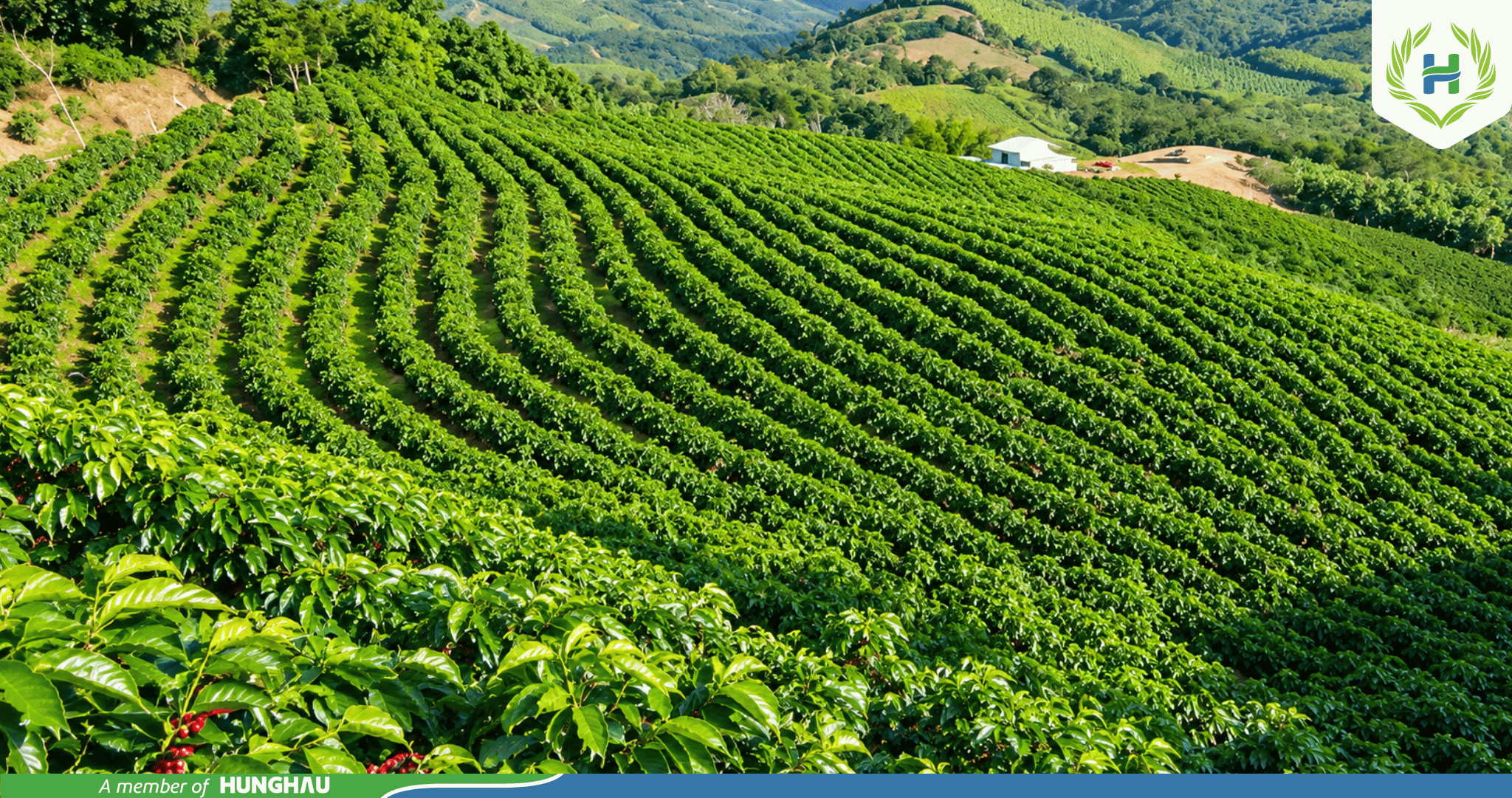
Robusta Gia Lai thường được mô tả với vị đắng rõ, thể chất đầy đặn, hương hạt rang và cacao. Tuy nhiên, đặc điểm cảm quan có thể thay đổi theo giống, điều kiện canh tác và phương pháp chế biến.
Lam Dong, A Robusta Growing Region with Development Potential
In addition to Dak Lak and Gia Lai, Lam Dong is also an important Robusta coffee-growing region, particularly in Di Linh, Lam Ha, and other areas with suitable ecological conditions.
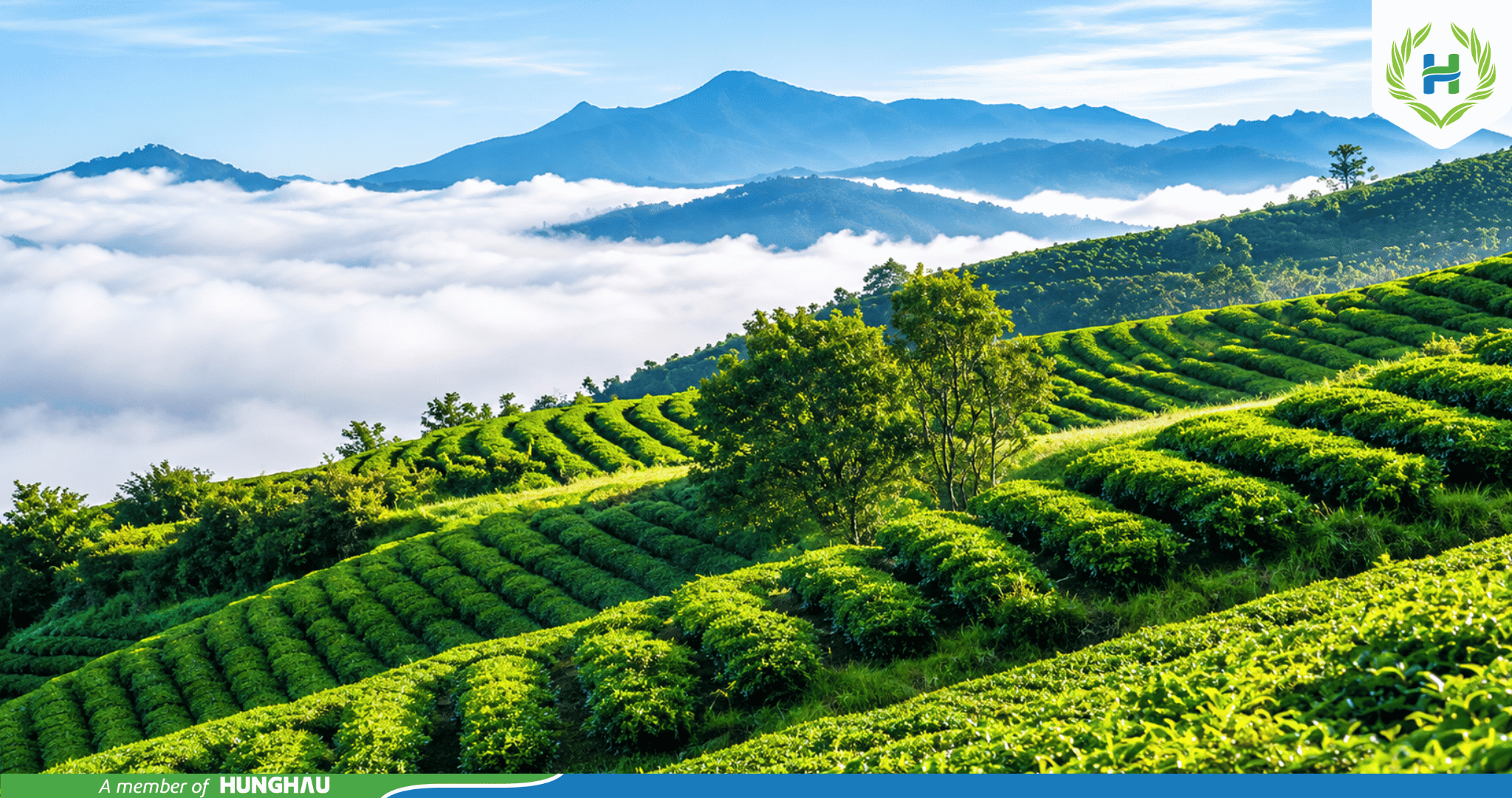
Robusta coffee from Lam Dong typically features notes of cocoa, chocolate, and roasted nuts. Coffee lots that are selectively harvested, properly processed, and roasted can develop a mild, sweet aftertaste, contributing to their higher commercial value.
Key Factors Determining the Quality of Vietnamese Robusta Green Coffee Beans
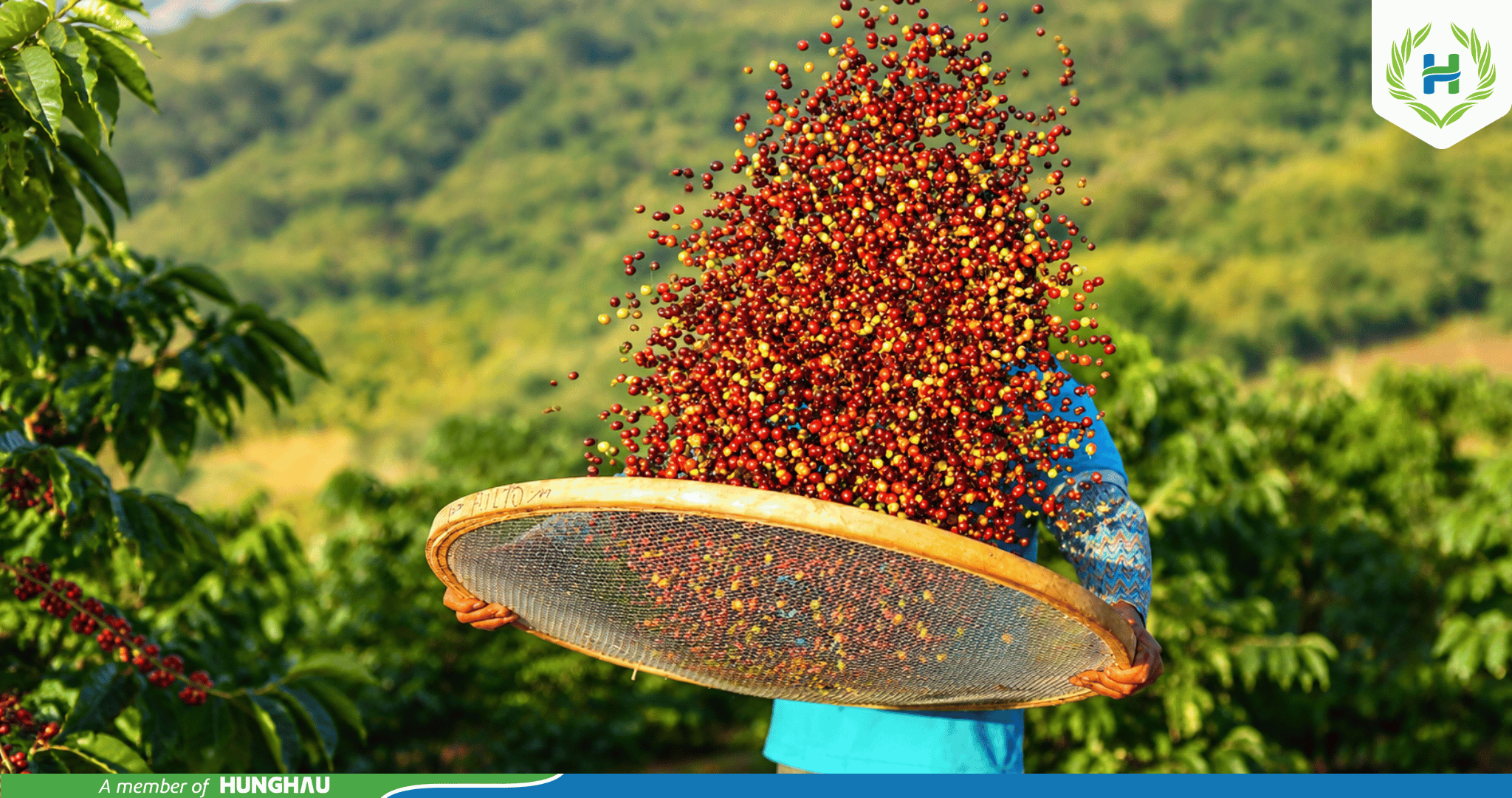
Sorting coffee cherries after harvesting contributes to improving the quality of Vietnamese Robusta green coffee beans
Robusta Varieties and Climatic Conditions
In Vietnam, various Robusta coffee varieties have been developed and selected, including TR4, TR5, TR9, TR11, TR12, TRS1, TR14, and TR15. These varieties are known for their high productivity, good bean quality, and adaptability to cultivation conditions.
Vietnamese Robusta grows well in hot and humid tropical climates, with temperatures ranging from 22°C to 30°C and annual rainfall of 1,500–2,500 mm. Major growing regions are concentrated in Dak Lak, Gia Lai, and Lam Dong, where climatic and soil conditions are favorable for Robusta coffee cultivation.
Harvesting Time and Processing Methods
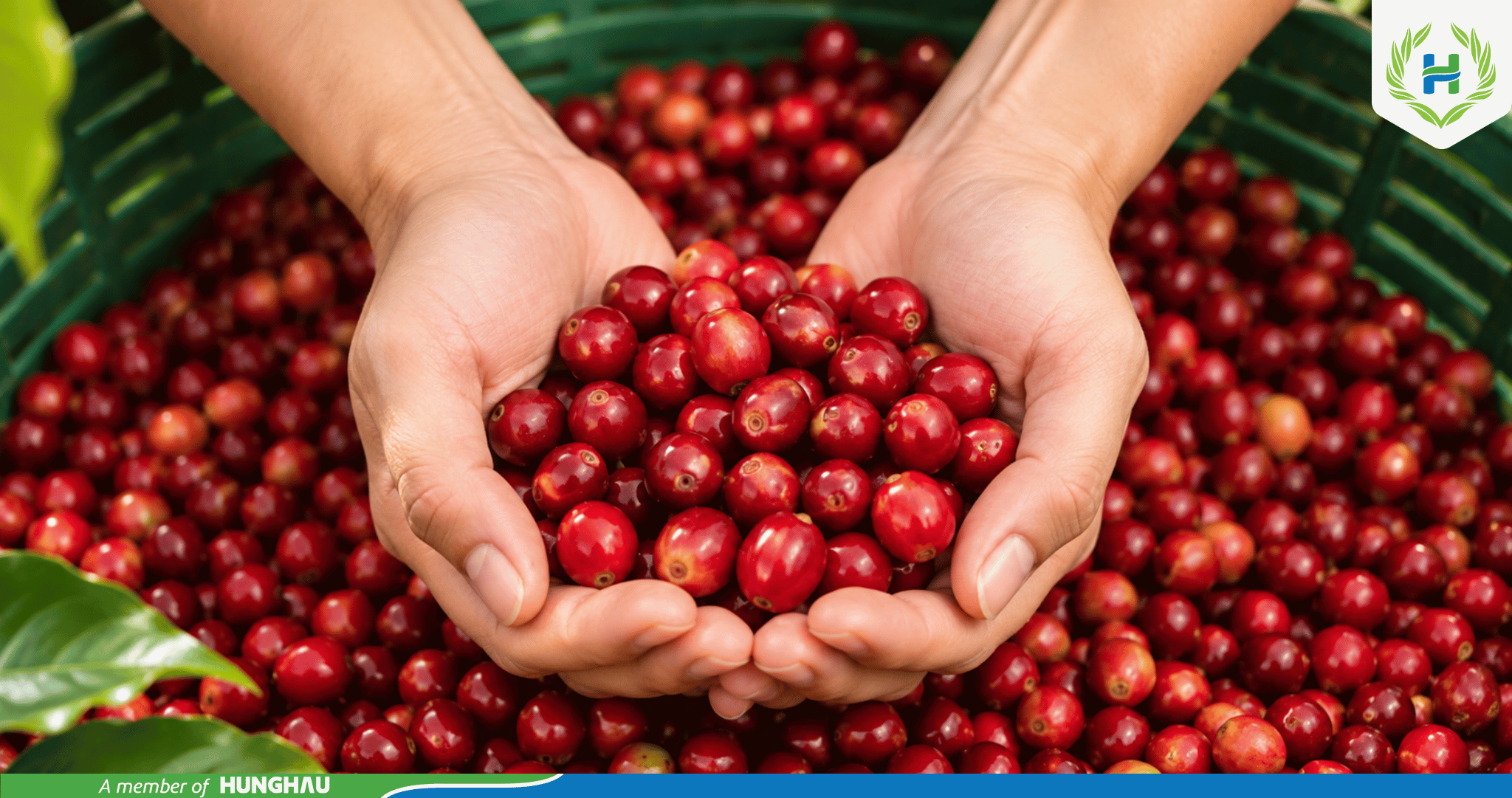
Harvesting coffee cherries at an appropriate ripeness level helps improve the quality of raw materials. Conversely, a high proportion of unripe cherries may increase the risk of astringency and undesirable flavor characteristics.
After harvesting, Robusta coffee can be processed using natural (dry), washed (wet), or honey processing methods. Each method has a different impact on flavor development, bean cleanliness, and final product quality.
Green Coffee Bean Grading and Quality Control
For export green coffee beans, controlling moisture content, bean size, defect rates, and foreign matter is essential.
The grading process helps produce uniform batches of raw materials, facilitating storage, transportation, and roasting. This is also an important factor in meeting the quality standards required by international customers and partners.
Commercial Value and Supply of Vietnamese Robusta Green Coffee Beans
Trends in Enhancing the Value of Vietnamese Robusta Coffee
The international coffee market is placing increasing emphasis on sensory quality, raw material origins, and supply chain transparency.
Alongside commercial-grade Robusta, the Fine Robusta segment offers new development opportunities through selective harvesting, controlled processing, and sensory quality evaluation. This creates opportunities to enhance the value of Vietnamese coffee rather than competing solely on production volume.
Supply of Robusta Green Coffee Beans
With its Harvest export coffee processing factory in Gia Lai and an annual production capacity of 6,600 tons of green coffee beans, HungHau Agricultural supplies both Robusta and Arabica green coffee beans, meeting the diverse raw material needs of domestic and international customers and partners.
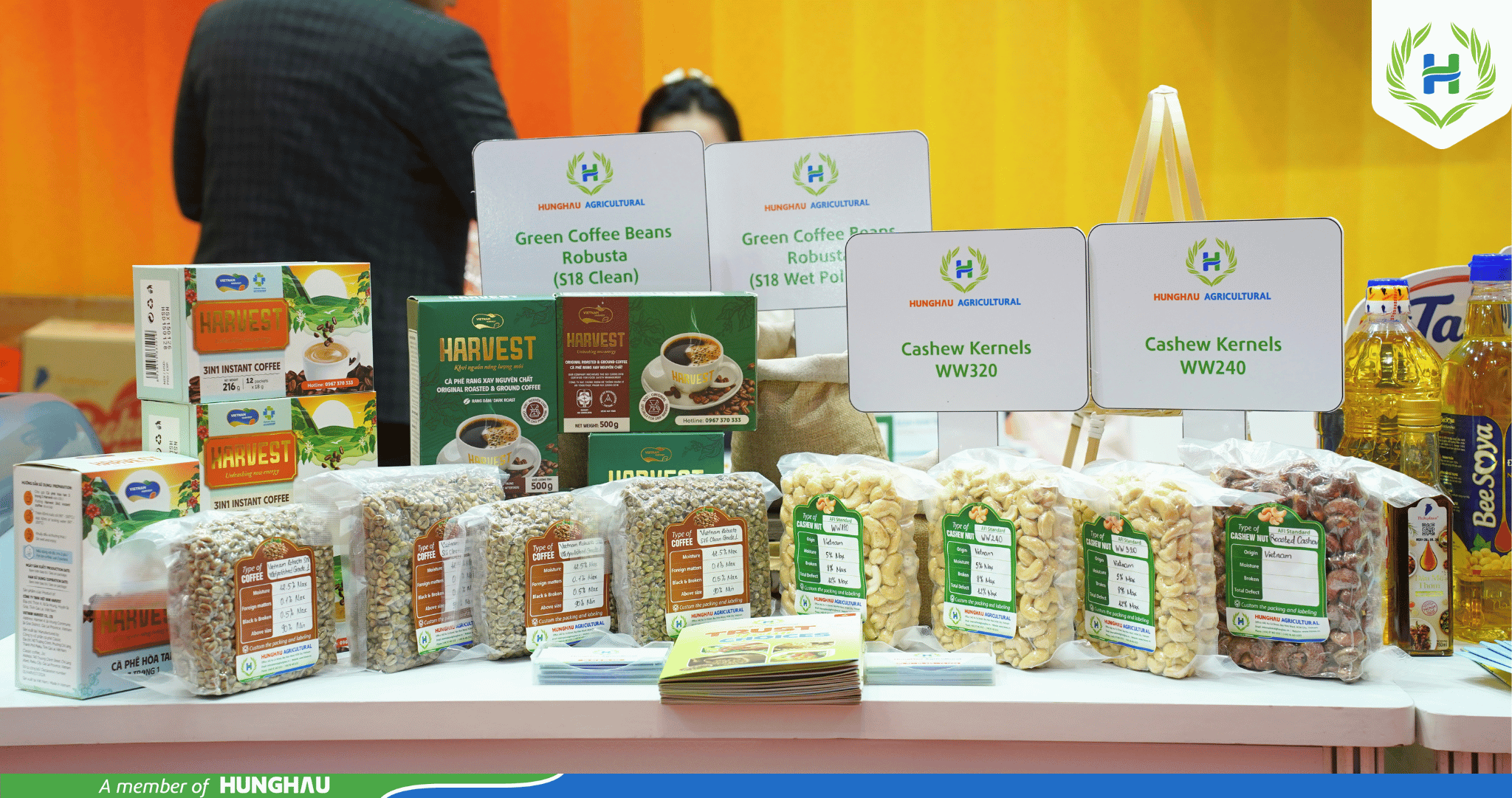
Through its commitment to developing raw material sources and expanding commercial partnerships, HungHau Agricultural continues to contribute to bringing Vietnamese green coffee beans closer to the global market.
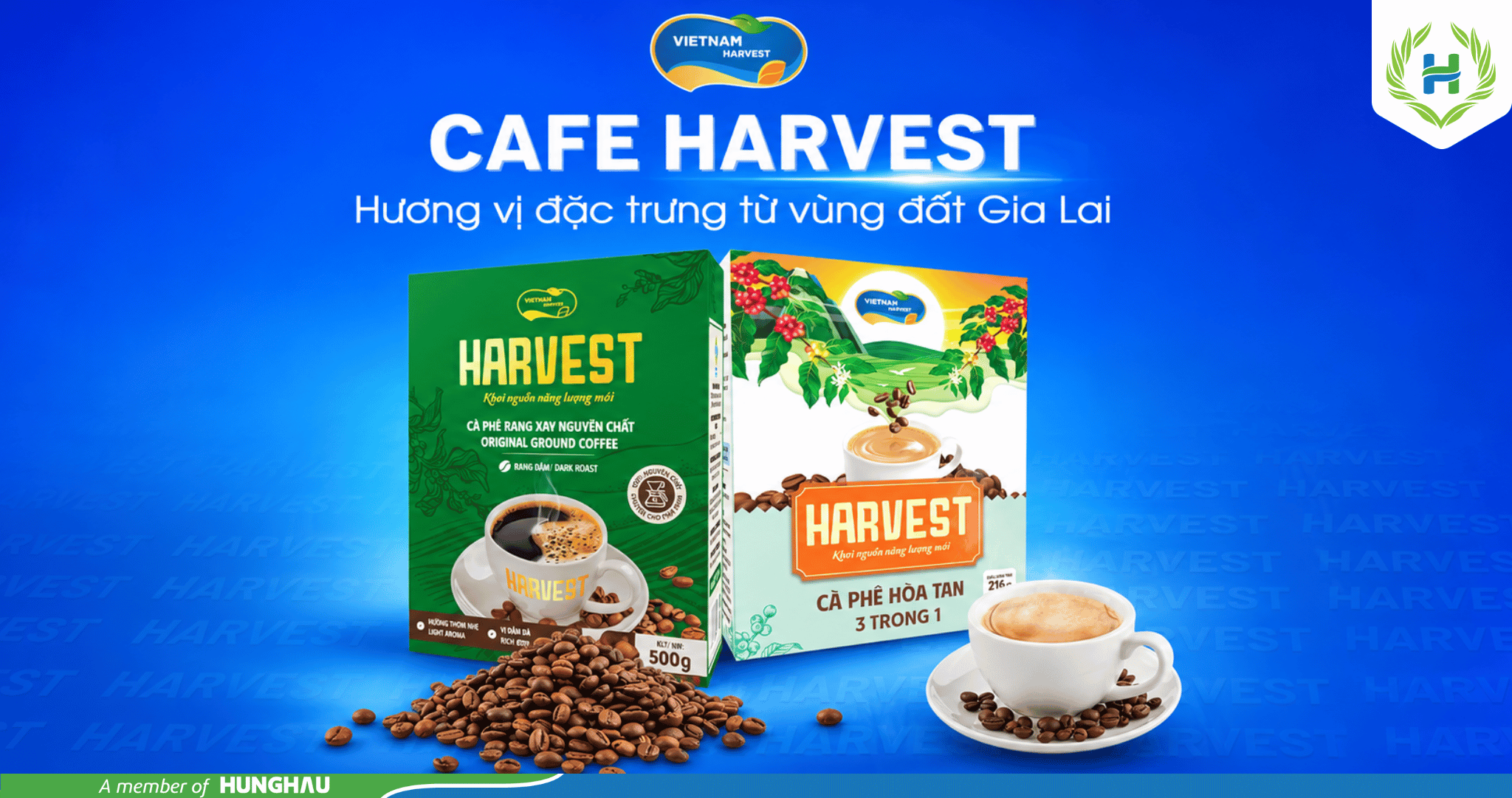
Vietnamese Robusta coffee stands out not only for its bold flavor but also for its diversity of cultivated varieties, growing regions, and potential for quality improvement. These advantages provide a solid foundation for Robusta to further strengthen its position in the international coffee supply chain.
References
https://hophuongcoffee.com/blogs/news/giong-ca-phe-tr15
CONTACT INFORMATION
HungHau Agricultural Corporation
Address: 642 Au Co Street, Bay Hien Ward, Ho Chi Minh City, Vietnam.
Email: international@hunghau.vn | Hotline: (+84) 963 130 333

 Tiếng Việt