


Vietnam Seafood
Vietnamese Shrimp and Pangasius Choose a “Sustainable Path” in Global Competition
18
May
May
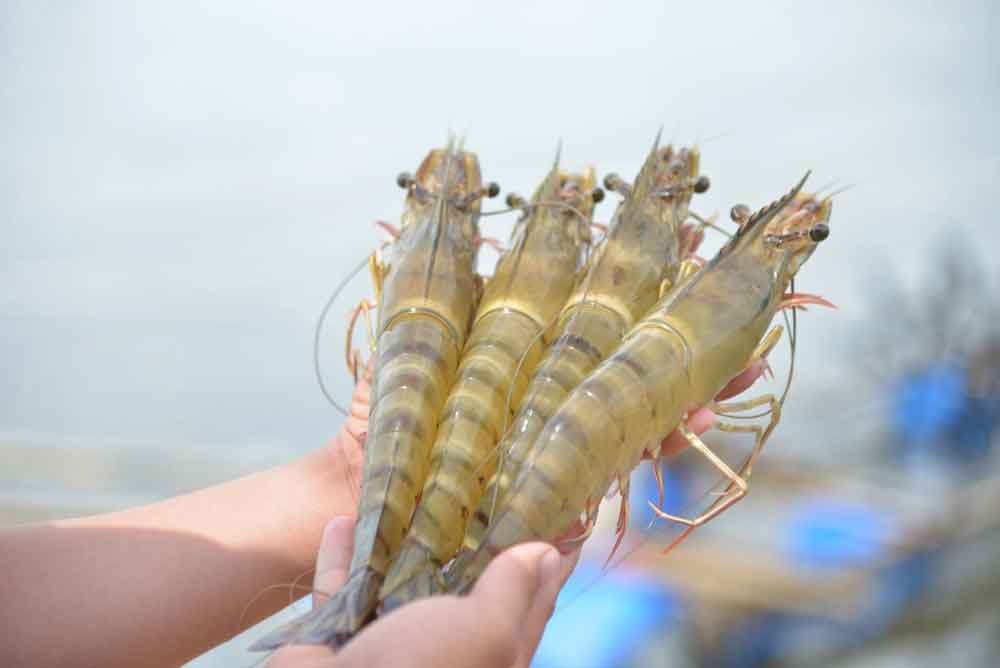
intensifying competition, Vietnamese shrimp and pangasius continue to serve as pillars of the country’s seafood exports, asserting their position through quality and resilient adaptability.
Vietnamese shrimp do not race on price, but move steadily on quality
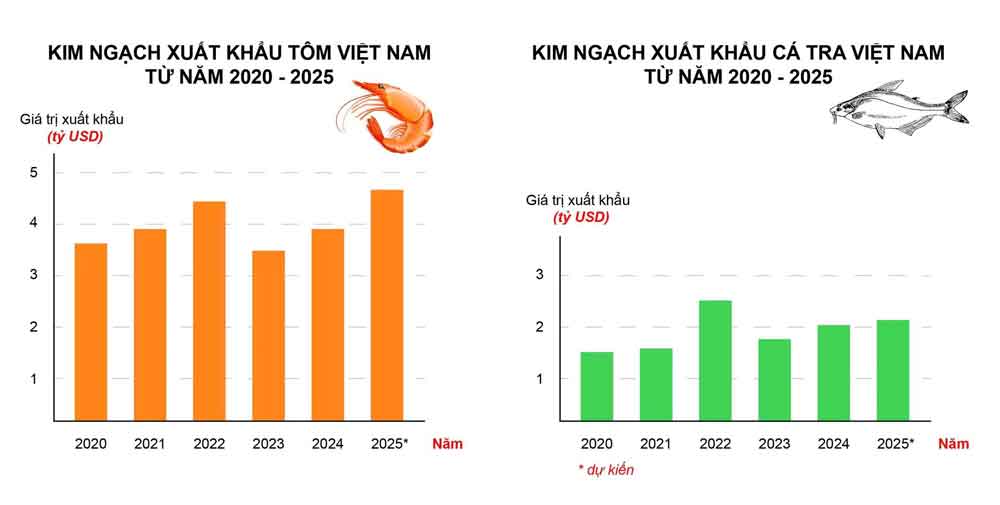
According to Vietnam Customs, cumulative shrimp export turnover from the beginning of the year to the end of November 2025 reached USD 4.3 billion, up 21% year-on-year. Total shrimp exports for the whole of 2025 are projected to exceed USD 4.6 billion, setting a new record for the industry.
In the first 11 months of 2025, whiteleg shrimp dominated with USD 2.8 billion, accounting for 64.8% of total export value. Processed shrimp products recorded solid growth, driven by demand from Japan, the EU and Australia. Black tiger shrimp reached USD 426 million, up 4%, largely thanks to stable contributions from Asian markets and part of the EU, though still under significant pressure from cheaper supply sources.
The most notable highlight in 2025 was the breakthrough growth of the “other shrimp” group, with export value surpassing USD 1 billion, up as much as 74%. This result stemmed from the surge in lobster exports to China, particularly in live lobster and high-end product segments.
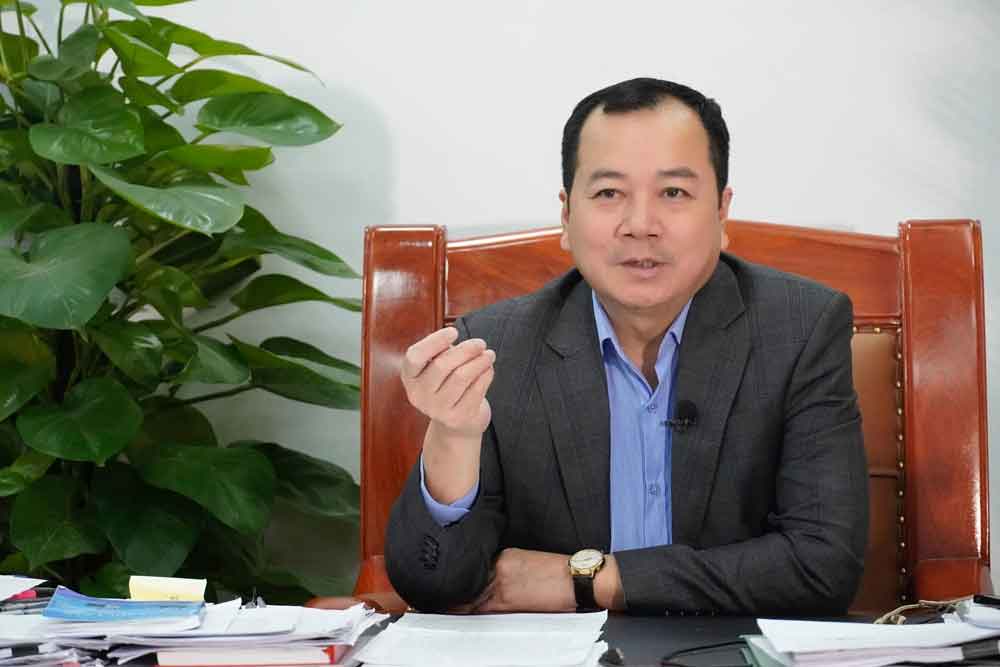
Mr. Tran Dinh Luan noted that within Vietnam’s seafood industry structure, shrimp play an especially important role, contributing more than 45% of total seafood export turnover each year.
Notably, amid climate change, drought and increasing saltwater intrusion in the Mekong Delta—factors that have strongly affected many aquaculture species—shrimp stand out as one of the commodities with clear development advantages.
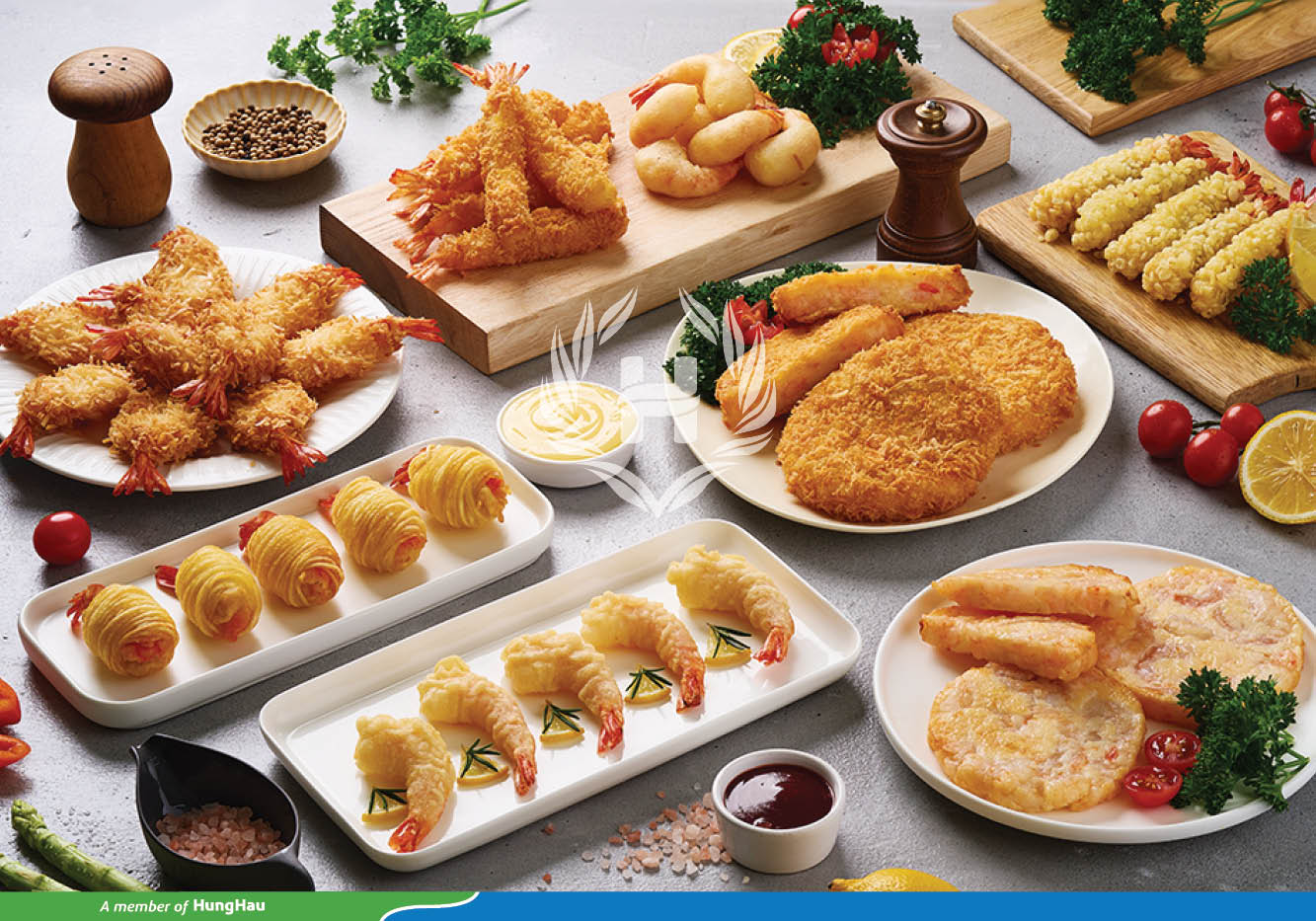
Achievements over recent years have demonstrated that the shrimp industry has firmly affirmed Vietnam’s value, role and position in the international market. Beyond diversity in designs and product types, Vietnamese shrimp products are increasingly developed in a deep-processing direction, with many eco-friendly and environmentally responsible offerings.
“These achievements owe a great deal to the contributions of the business community, farmers and local authorities in building the image of Vietnamese shrimp on the global market today,” Mr. Luan emphasized.
According to Mr. Ho Quoc Luc, Chairman of the Board of Directors of Sao Ta Foods JSC (Fimex VN), amid Ecuador and India rapidly expanding production with lower costs, Vietnamese shrimp no longer lead in scale or cost competitiveness. However, from a comprehensive perspective, Vietnamese shrimp still hold a very distinctive and high-value position in the global market.
The “irreplaceable” advantage of Vietnamese shrimp lies in quality, stability and the ability to meet demanding market segments. Vietnam has long-standing experience in deep processing, diversified value-added products, effective control of food safety and hygiene, traceability, and compliance with standards of high-end markets such as Europe, the United States and Japan—areas where not all high-volume producers perform well.
Pangasius strengthens its position in the global market
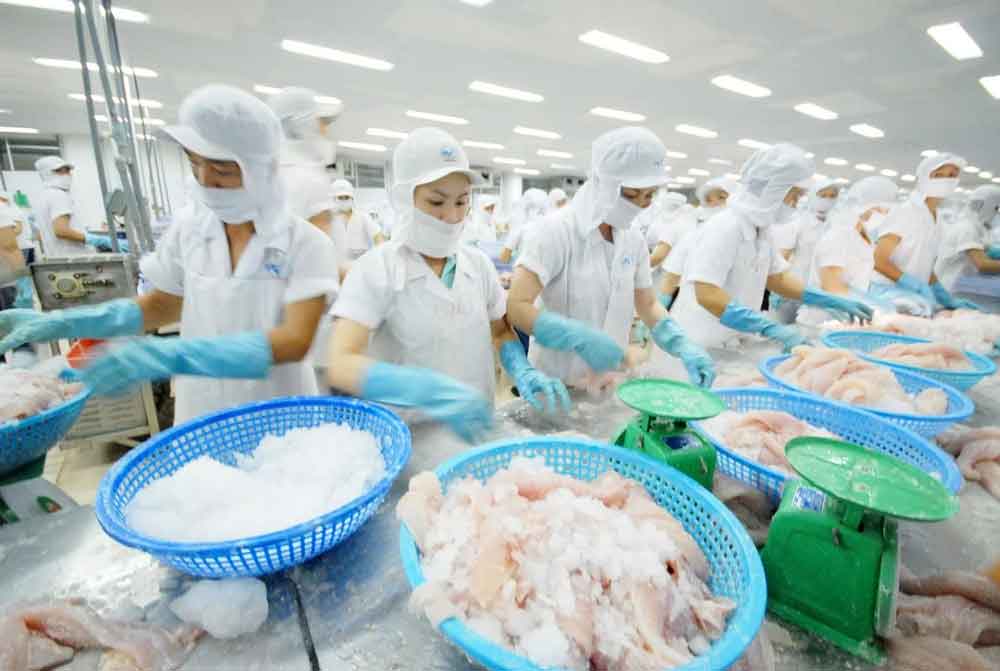
The widespread presence of pangasius, together with the efforts of the Vietnamese business community in bringing the fish to markets worldwide, has helped the sector generate substantial foreign exchange each year. With export turnover of USD 1.5–2.4 billion annually, pangasius alone accounts for 16–26% of Vietnam’s total seafood export value.
According to the Vietnam Association of Seafood Exporters and Producers (VASEP), by the end of November 2025, total pangasius export turnover exceeded USD 2 billion, up 9% year-on-year. For the whole of 2025, pangasius exports are expected to surpass USD 2.1 billion, supported by a solid recovery in demand from Asian markets, particularly China.
Mr. Luan said that in 2025, the pangasius sector continued to record positive results in both production and exports. Notably, the industry has been increasingly organized in a more structured and professional manner—from managing aquaculture facility codes and forming concentrated farming zones to completing processing plant systems linked to value chains.
“It can be affirmed that pangasius is one of the pioneering industries in developing a circular economy, maximizing the efficient use of products and by-products. With the achievements this year, the pangasius industry is maintaining and reinforcing a stable growth momentum,” Mr. Luan stressed.
He expressed confidence that, by leveraging existing advantages, enhancing science and technology capabilities, and gradually applying advanced technologies in processing and deep processing to develop value-added products, Vietnam’s pangasius value chain will continue to make new strides and further consolidate its position on the global seafood map.
Opportunities for responsible enterprises
Mr. Ho Quoc Luc observed that 2025 was a challenging year but also demonstrated the resilience and mettle of Vietnam’s shrimp industry. Amid slow global demand recovery, modest selling prices, intense competition and mounting barriers, the industry maintained production, preserved markets and gradually restructured towards greater sustainability. Notable achievements include maintaining and slightly increasing shrimp output, while export turnover grew by double digits, exceeding expectations.
Looking ahead to 2026, Mr. Luc said Vietnam’s shrimp industry still faces significant opportunities as demand in traditional markets gradually stabilizes. Shrimp are becoming an increasingly popular and favored food source rather than a luxury item, which is expected to further boost purchasing demand.
Vietnamese enterprises have also grown more accustomed to the “new rules of the game” regarding taxation (especially in the U.S.), environmental and sustainability requirements (particularly in Europe). The trend toward responsible consumption is becoming increasingly evident, especially in Europe.
“While challenges remain and continue to intensify, opportunities for enterprises that operate in a professional, responsible and ethical manner will grow larger,” Mr. Luc emphasized.
For the pangasius sector, leaders of the Department of Fisheries and Fisheries Surveillance candidly acknowledged that, alongside positive achievements, the industry still faces several difficulties and challenges.
One major bottleneck lies in seed quality, as survival rates during the nursing stage remain low. However, in recent years, the State has invested in multiple research and breeding programs, with initial results showing clear improvements in broodstock quality, raising survival rates from below 10% to around 30–40%. This is considered a positive signal, laying an important foundation for gradually addressing challenges and moving toward more stable and sustainable development.
“In addition, we are orienting stronger cooperation between enterprises and farmers in adjusting and renewing feed formulas to reduce feed conversion ratios and limit the use of animal-based meals. This approach not only improves production efficiency but also reduces environmental waste, contributing positively to environmental protection,” Mr. Luan added.
Another key issue highlighted by Mr. Luan is supply chain linkage. Currently, the pangasius sector has formed and operates relatively effective value chain linkages. “However, we hope that all farmers and enterprises involved in the pangasius industry will implement close, end-to-end linkages from seed to processing plants, ensuring full traceability, proactive control over output and quality, and meeting the diverse requirements of different markets.”
“With such synchronized linkages, processing plants and enterprises will be more proactive in securing raw materials, thereby opening opportunities to expand markets, explore new ones and develop additional products for the pangasius industry,” Mr. Luan emphasized.
Assessing Vietnam’s seafood export performance in 2025, Mr. Luan said shrimp and pangasius continued to play their roles as the two main pillars, maintaining strong positions in the international market and forming a crucial foundation for seafood export growth.
With flexible and timely direction from the Government, the Prime Minister, the leadership of the Ministry of Agriculture and Environment and other ministries, along with the proactive engagement of enterprises and farmers in adjusting processed product structures, adapting to export markets and reorganizing domestic production, the results demonstrate that “we have proactively captured and secured export markets in line with the requirements and contexts of each phase.”
“In 2025, we faced numerous challenges related to tariffs, trade barriers and technical barriers that directly impacted overall production outcomes. Nevertheless, in practice, the USD 11 billion figure can be considered a new ‘threshold’ for the industry’s export performance,” Mr. Luan added.
Mr. Tran Dinh Luan, Director General of the Department of Fisheries and Fisheries Surveillance (Ministry of Agriculture and Environment), stated: “I believe that the achievements of 2025 will provide strong momentum for the 2026 plan, enabling us to continue leveraging experience, results and past successes, while flexibly adjusting and becoming even more proactive in capturing markets.”
Source: https://agriculture.vn/

 Tiếng Việt